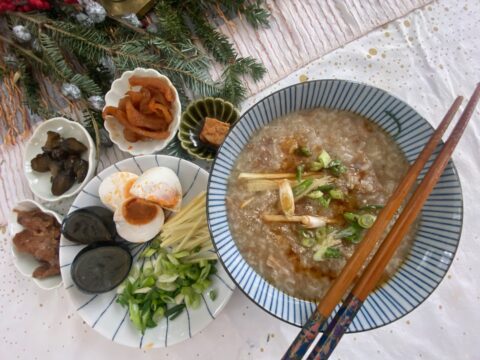
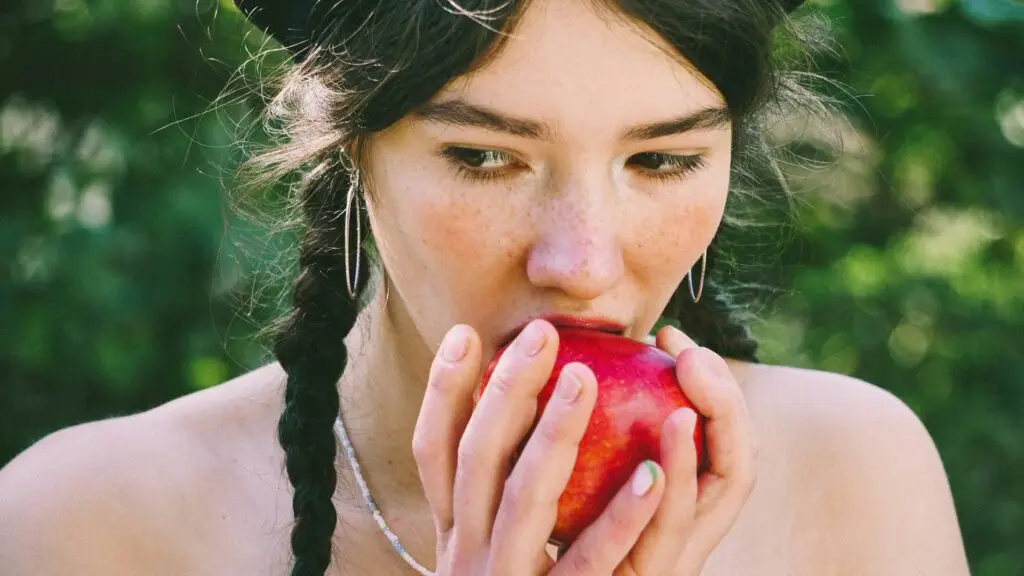
If you’ve ever felt that mid-afternoon crash or found yourself reaching for something sweet even after a full meal, we get it. Most of the patients we care for aren’t struggling with willpower… they’re struggling with rhythm.
In Traditional Chinese Medicine (TCM), food isn’t just fuel, it’s information. It tells your body when to speed up, slow down, build, or release. And snacking, when done well, can be a powerful tool to stabilize energy, support digestion, and even help regulate hormones.
But, not all snacks are created equal. And in some cases, snacking can actually work against your digestion rather than support it.
Is Snacking Always Healthy? A TCM Perspective
When Snacking Supports Health
There are times when snacking can be deeply supportive, especially when your body is asking for more nourishment than three meals can provide.
Snacking can be helpful if you:
- Feel shaky, irritable, or lightheaded between meals
- Are pregnant, postpartum, or trying to conceive
- Have a busy, high-output lifestyle
- Tend toward fatigue, burnout, or what we’d call Spleen Qi deficiency
In these cases, the right snack can stabilize blood sugar, prevent cravings, and protect your energy.
When Snacking May Not Be Appropriate
On the flip side, constant grazing can weaken digestion over time.
Snacking may not be ideal if you:
- Feel bloated, heavy, or sluggish after eating
- Struggle with Dampness (think: brain fog, puffiness, loose stools)
- Rarely feel truly hungry
- Eat more out of habit, stress, or emotion than actual need
Sometimes, more space between meals is exactly what your body needs.
What Are TCM Snacks? A Different Way to Think About Snacking
A TCM snack isn’t a protein bar or a handful of ultra-processed crackers eaten at your desk.
It’s simple, whole, seasonal, and energetically supportive.
We think about snacks in terms of:
- Qi (energy) support
- Digestive strength (Spleen & Stomach)
- Avoiding the buildup of Dampness
In other words, a good snack should leave you feeling more grounded and clear, not more bloated or wired.
The TCM Framework for Snacking: The Five Flavor Theory
One of the simplest (and, in our opinion, most beautiful) ways to build better snacks is through the Five Flavor Theory. Each flavor does something different in the body. When you start paying attention to this, snacking becomes less about calories and more about balance.
Sour Flavor (Liver & Gallbladder)
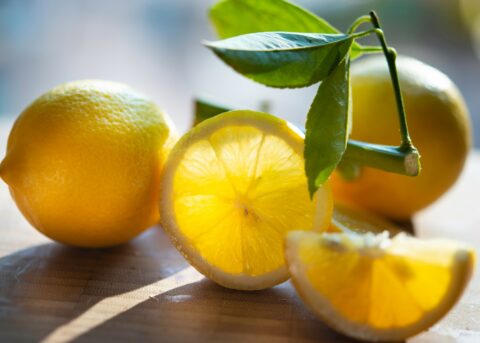
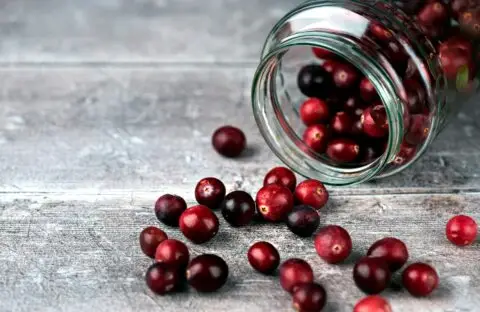
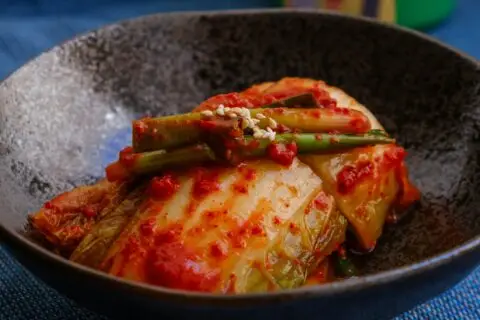
Sour foods have an astringent quality—they help regulate fluids and support the Liver in moving things smoothly (think digestion, hormones, emotions).
Try:
- Fermented vegetables like sauerkraut or kimchi
- A squeeze of lemon on veggies
- Tart berries like cranberries
Bitter Flavor (Heart & Small Intestine)
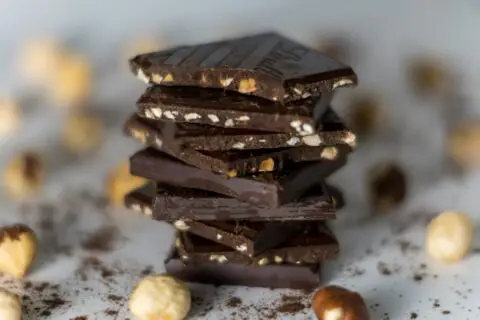
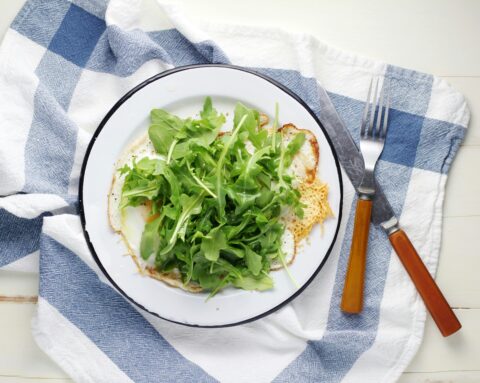
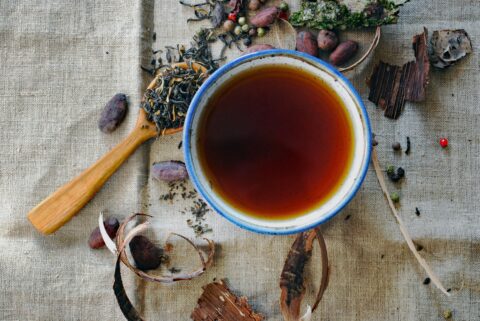
Bitter is cooling and clearing. It helps reduce inflammation and supports detoxification—something many of our patients need more of, not less.
Try:
- A square of dark chocolate (85% or higher)
- Arugula or kale
- Dandelion or herbal teas
Sweet Flavor (Spleen & Stomach)
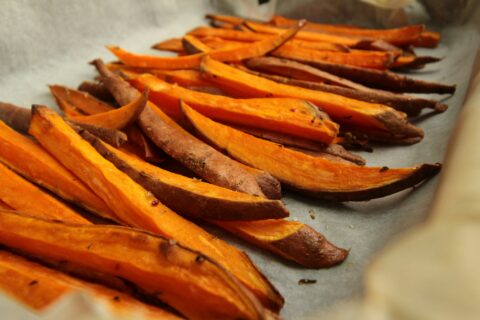
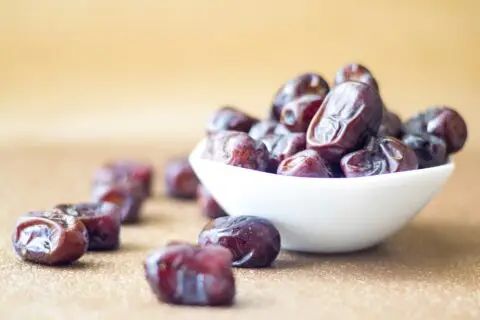
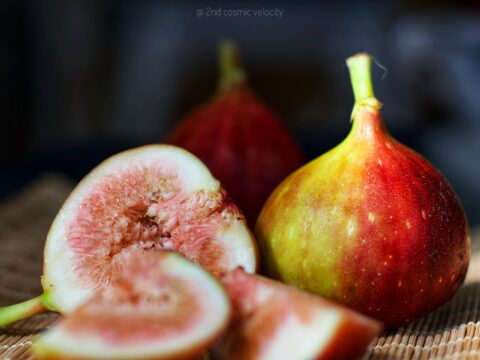
This is where things often get misunderstood. In TCM, “sweet” doesn’t mean sugar. It means nourishing and grounding.
Try:
- Dates or figs
- Roasted squash or sweet potato
- Oats or root vegetables
(And yes, a little raw honey is okay—but we’re talking a little.)
Pungent Flavor (Lungs & Large Intestine)
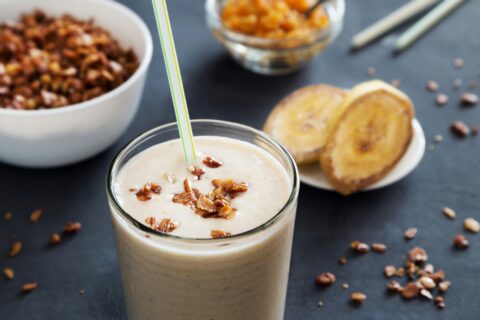
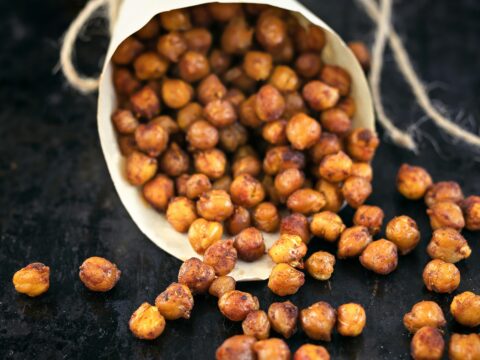
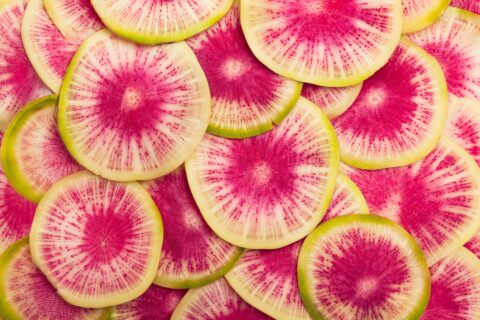
Pungent foods move Qi. They’re great when you feel stuck, sluggish, or tense.
Try:
- Ginger-infused snacks
- Spiced roasted chickpeas
- Radishes
Salty Flavor (Kidneys & Bladder)
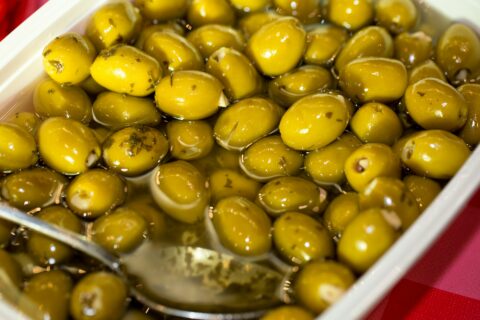
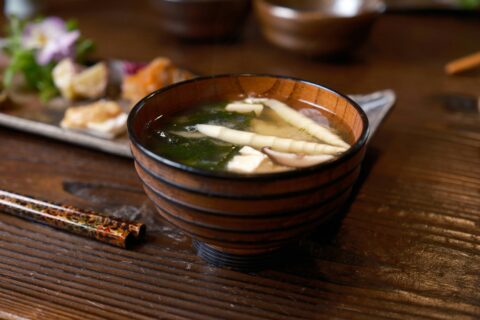
Salty foods help soften, anchor, and replenish minerals—especially important if you’re feeling depleted.
Try:
- Seaweed snacks
- Miso broth
- Olives
TCM Snacks Ideas: Simple, Balanced Pairings
Instead of focusing on one flavor, we often encourage combining a couple for a more balanced effect.
A few of our go-to combinations:
- Liver support: lemon-tahini dip with raw vegetables
- Adrenal support: seaweed snacks with walnuts
- Energy + digestion: ginger-spiced pumpkin seeds with goji berries
These are the kinds of snacks that actually hold you over—not spike and crash your energy.
Seasonal Snack Guide
In TCM, we don’t necessarily eat the same way year-round. Your body has different needs in July than it does in January. So, it may be that you lean more into a certain flavor combination depending on the season it is, while still focusing on creating a balanced flavor profile in your snack.
Here’s a list of the flavor combinations that align with each season, including the fifth season, late summer.
- Autumn (Lung / Pungent): ginger, radishes
- Winter (Kidney / Salty): seaweed, miso
- Spring (Liver / Sour): pickled vegetables, citrus
- Summer (Heart / Bitter): bitter greens, cooling teas
- Late Summer (Spleen / Sweet): dates, squash, grounding foods
Our Favorite TCM Snack Ideas (And Why)
These are the snacks we come back to again and again because they work.
- Walnuts: Nourish the Kidneys and brain plus great for fatigue and hormonal support
- Fruit: Hydrating, gentle, and easy for most people to digest
- Dark chocolate: A little bitter goes a long way for the Heart (and let’s be honest, joy matters too)
- Dates: One of our favorites for building Qi and Blood, especially for women
Mindful Eating in TCM: Turning Snacks into Ritual
This might be the most overlooked part of snacking because you can eat the “perfect” snack, but if you’re rushing, scrolling, or stressed, your body won’t receive it the same way.
Also, when you’re multitasking and snacking, it might not even register to your brain that you’ve eaten something so this can lead to overeating.
In TCM, we believe that mindful eating, or just being present with your food, not only increases your enjoyment of your snack but also enhances your digestion and nutrition.
Here are a few tips to help you with this:
- Pause before you eat (even one breath helps)
- Sit down if you can
- Try not to multitask
- Pray or express gratitude for your food
- When eating, engage your senses (taste, texture, smell)
- Let it feel like a moment to truly savor your food
Pay attention to how it feels to eat more mindfully. You might be surprised to notice that you’re feeling more satisfied and even less bloated after your snack (and meals).
Personalized Diet & Lifestyle Support
Treatment is only one part of the healing process. What you do between sessions: your diet, your habits, your daily rhythms, is what sustains real change.
At Five Seasons, we support you in identifying the shifts your body needs and, just as importantly, help you integrate them in a way that feels realistic and lasting. Having guided thousands of patients through meaningful diet and lifestyle changes, we know how to meet you where you are and gently move you toward where you want to be.
👉 Learn more about our Diet & Lifestyle approach