The recent trial of Lindsay Clancy has brought an important and complex subject into the public conversation: postpartum recovery and what can happen when a mother’s mental health deteriorates after childbirth. The case is tragic but beyond the courtroom, it raises an important question:
How well do we actually care for women after they give birth?
At our clinic, we support women through the full range of postpartum mental health concerns—from postpartum depression and anxiety to postpartum psychosis. And, because our approach is holistic, we always take into account their physical health as well.
In one instance, a new mother we cared for struggled with severe postpartum psychosis soon after a very difficult labor and delivery. Together, with her psychologist and psychiatrist, we worked as a team to help provide the right psychological, physiological and therapeutic support to address the psychotic delusions and hallucinations until she began to feel stable and well.
Along with talk therapy and medication, we incorporated acupuncture and herbal medicine to help balance and nourish her system after physical depletion from overexercise, pregnancy, birth, breastfeeding and sleep deprivation. We were able to calm her spirit and stabilize her sleep and digestion in order to rebuild her energy. The mind and spirit are deeply connected to a well nourished and cared for body. This experience reinforced that it truly takes a village to adequately care for a new mom so she can thrive physically, mentally and emotionally.
In this article, we want to look at how Traditional Chinese Medicine (TCM) understands the tremendous loss of resources a woman experiences after giving birth and how it approaches postpartum care uniquely and holistically.
What Happens to Mom’s Body After Giving Birth?
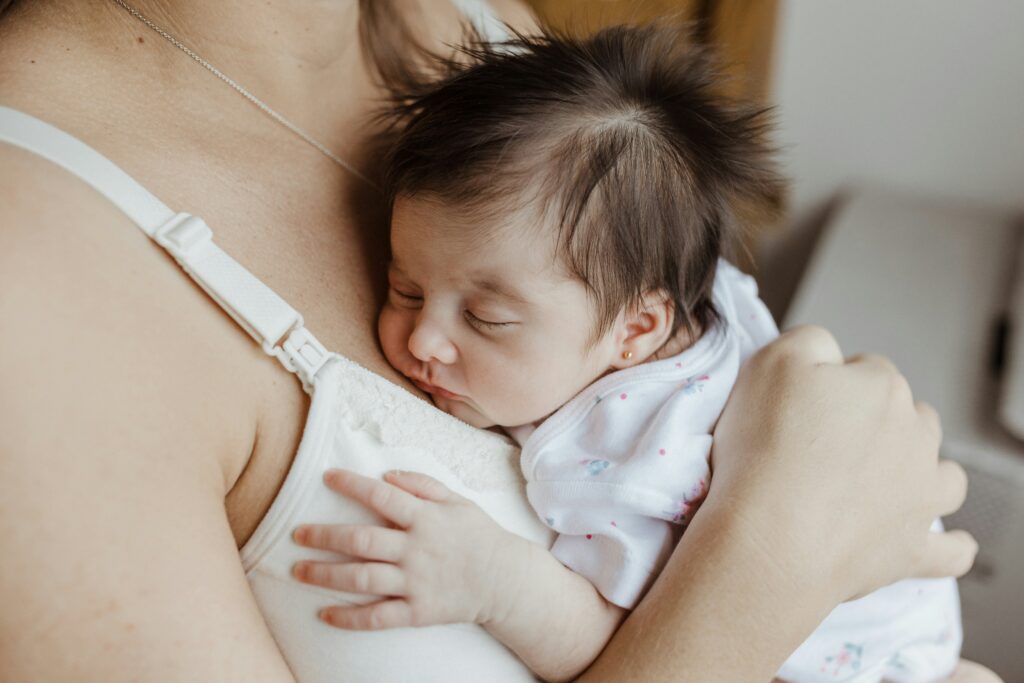
After giving birth, a woman may experience blood loss, tissue healing, hormonal upheaval, physical recovery from either vaginal birth or surgery and the metabolic demands of lactation. Estrogen and progesterone fall rapidly after delivery, while the demands of feeding and caring for a newborn can leave little opportunity for uninterrupted sleep and adequate rest.
TCM has its own language for understanding this transition. Traditionally, childbirth is understood to draw heavily on Qi, Blood, and Jing—the fundamental vital substances we are composed of that provide the body’s energy, nourishment, reserves, and capacity for recovery.
Both the Western and Eastern models can agree that giving birth asks a tremendous amount of a woman’s body. Recovery requires resources and those resources have to come from somewhere.
Why Postpartum Mental Health Can’t Be Separated From Physical Healing
Traditional Chinese medicine understands that the physical and emotional experiences of postpartum are deeply intertwined.
Sleep deprivation affects mood, concentration, and the ability to cope with stress. Pain makes rest harder. Nutritional demands increase. Hormonal changes can contribute to emotional volatility. Add the constant responsibility of caring for a newborn, the loss of personal time, and sometimes isolation from friends, family, or community can all be overwhelming.
In TCM, the postpartum period has traditionally been viewed not only as a time to rebuild the body, but also to protect Shen, a concept that encompasses the mind, spirit, emotional life, and sense of self.
That doesn’t mean TCM views postpartum depression or postpartum anxiety as simply a consequence of physical depletion. They are real medical conditions with multiple biological, psychological, and social contributors, and they can affect anyone regardless of how well supported or “healthy” they appear.
But it suggests that we should not treat a mother’s physical recovery and mental well-being as completely separate.
The First 40 Days: An Alternative Model for Postpartum Recovery
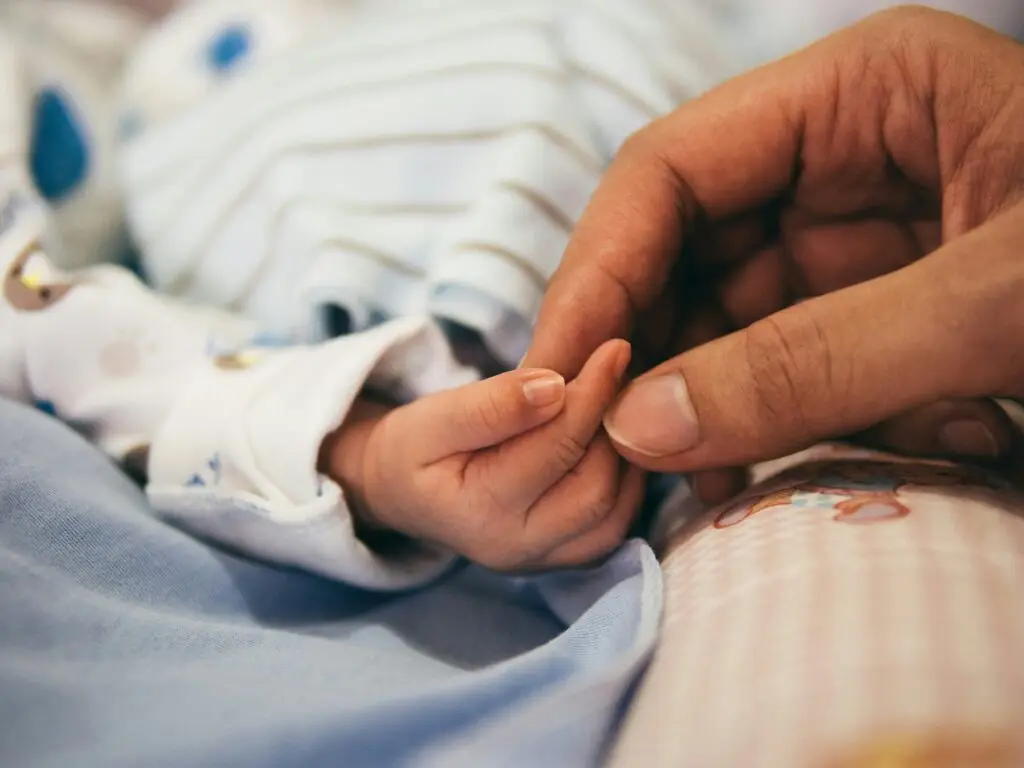
We’d like to highlight a Chinese custom known as the 40-day postpartum confinement period. One expression of this is zuò yuèzi (坐月子), often translated as “sitting the month.” Traditionally, the first month—or roughly 30 to 40 days after birth—is a protected phase when the mother is encouraged to stay home and rest, keep warm, eat nourishing foods and be cared for by others while her body recovers.
Although some may regard this practice as too restrictive, impractical or even radical, we believe Western culture can learn from this Chinese tradition as a means of creating more physical, mental and emotional stability for the new mother.
Not every new mother needs to literally recreate a traditional postpartum confinement period. But we can consider it as a different model of postpartum care: one in which a mother is not expected to immediately return to normal, “bounce back,” or recover while simultaneously caring for her baby and everyone else.
She is expected to be cared for.
This allows us to move away from a postpartum care model that leaves the mother responsible for making her own recovery happen—turning rest, nourishment, and asking for help into yet another self-care assignment that can feel impossible to fulfill on her own.
That’s why the traditional first 40-days model offers such a different perspective.
Instead of telling a new mother to find time to nourish herself, other people nourish her.
Someone else prepares the meal.
Someone else holds the baby while she sleeps.
Someone else handles the laundry or takes care of an older child.
Someone notices when she hasn’t eaten.
Someone asks how she is doing and anticipates her needs.
The difference is simple but profound: the responsibility for the mother’s recovery does not rest entirely on the mother. This, alone, can have a significant impact on her mental well-being and allow her the restoration needed to rebuild her energy.
Postpartum Mental Health: When More Support Is Needed
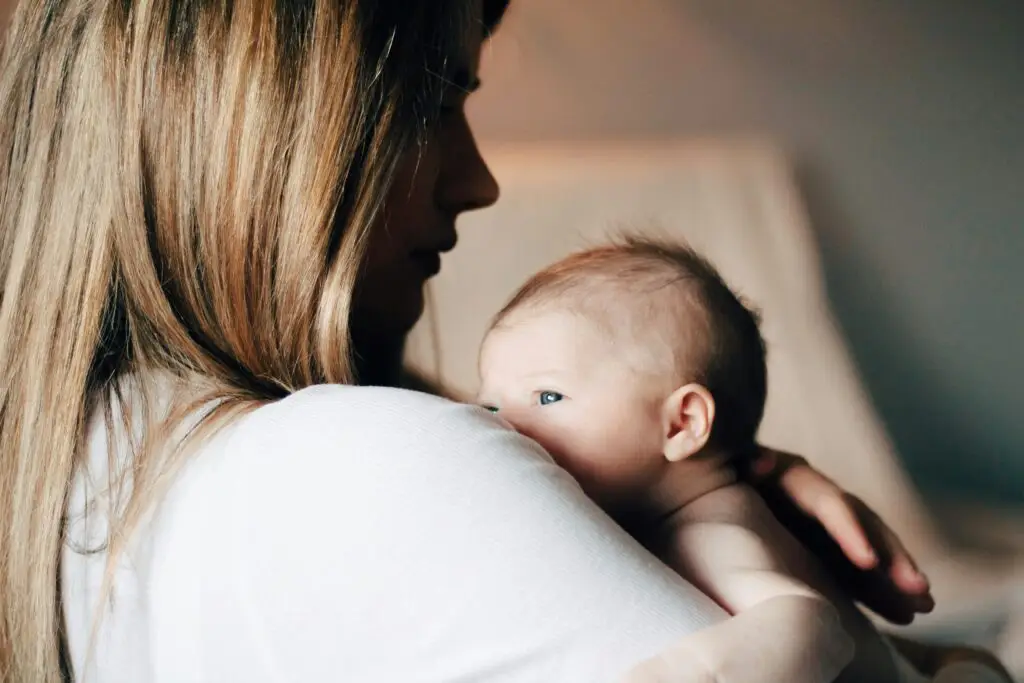
At our clinic, it’s very common to see patients suffering from the “baby blues” and this usually resolves within two to three weeks. When symptoms are more intense, persist beyond that period, or interfere significantly with their daily life, they may indicate postpartum depression or postpartum anxiety. Other perinatal mental health conditions can include postpartum OCD, postpartum PTSD, and postpartum psychosis.
We believe these cases require additional professional care. We collaborate with other postpartum healthcare professionals such as your obstetrician, primary care physician, therapist, psychiatrist, lactation consultant, pelvic-floor specialist, or postpartum doula. This allows acupuncture and TCM to be one part of a broader postpartum support system or “village”.
What We Can Learn From the First 40 Days
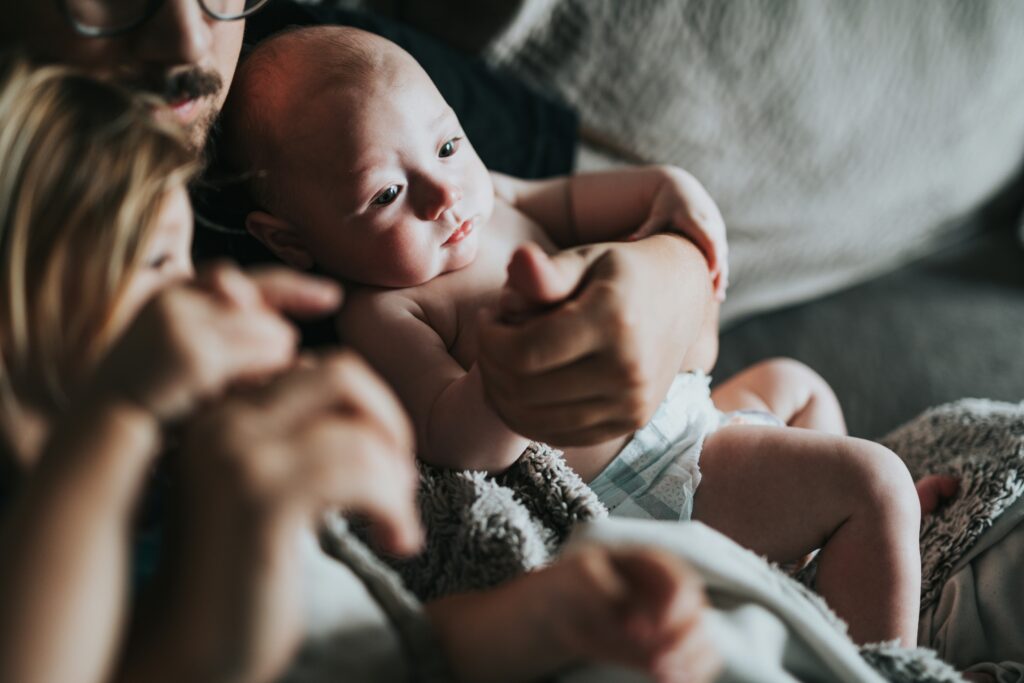
Some families are prioritizing the 40-day postpartum model and not viewing it as simply a luxury. While not all new mothers may need to recreate a literal 40-day confinement period, nor have the resources to do so, we can reclaim the underlying idea that after birth, a woman deserves time, nourishment and rest.
The first 40 days postpartum model prompts a useful question for modern families:
What would change if we treated the postpartum period as a time when the mother needs to be cared for and supported as much as the newborn?
👉 Learn more about our personal approach to caring for pregnant and postpartum moms.
NYC Postpartum Resources
For families in New York City, there are many ways to build more support around the postpartum period. A few places to start:
Postpartum Doula Support
Doula Care offers daytime and overnight postpartum doula care in NYC, including support with recovery, breastfeeding, newborn care, and parent education.
Baby Caravan matches NYC families with daytime and overnight postpartum doulas, with services that can include newborn care, feeding support, light household help, and help creating more space for parents to rest.
Boober is a NYC-area marketplace that connects expecting and new parents with vetted birth and postpartum doulas, lactation consultants, and other care providers, and also offers childbirth classes, on-demand courses, and eBooks, all with a non-judgmental, personalized approach.
Postpartum Nourishment
Chen Mommy provides mothers with nutritional, high-quality meals that rebuild their health during the first 40 days after childbirth as well as other transformational times in women’s lives.
Chiyo offers postpartum nutrition programs and products inspired in part by traditional postpartum practices, including their First 40 Days Broth & Tonic Bundle and Postpartum Restore Program.
The First Forty Days: The Essential Art of Nourishing the New Mother is a practical guide and recipe book on the lost art of caring for the new mother after birth
Maternal Mental Health
NYC Health: Depression and Anxiety During and After Pregnancy provides information about postpartum depression and anxiety, warning signs, and NYC and national resources, including Postpartum Support International and the National Maternal Mental Health Hotline.
If a new mother is experiencing thoughts of harming herself or her baby, severe confusion, hallucinations, or other symptoms that suggest an emergency, she needs immediate professional help. In New York City, 988 provides free, confidential mental-health support 24/7; emergencies should be directed to 911.