One in 8 women in the U.S. will be diagnosed with breast cancer in her lifetime. Even if breast cancer doesn’t run in your family, it doesn’t mean you’re in the clear. In fact, the majority of women diagnosed have no family history of the disease. That’s why prevention and early awareness matter for everyone, not just those with a genetic risk.
October’s Breast Cancer Awareness Month often centers on pink ribbons and mammogram reminders. And, while these are important, the conversation can’t stop there. Mammograms are one tool for early detection, but they don’t prevent cancer or address the deeper imbalances that may contribute to it.
Traditional Chinese Medicine (TCM) offers a different lens—one that’s proactive, empowering, and deeply rooted in the idea that promoting harmony creates health. Instead of operating from fear of disease, TCM teaches us to cultivate vitality and balance every day, so the body becomes less hospitable to illness in the first place.
Early Detection PLUS Prevention
In Western medicine, “early detection” is the mantra. Mammograms are valuable for catching abnormalities, but they’re not perfect—radiation exposure, false positives, and unnecessary biopsies can create anxiety and confusion. For many women, the experience itself can feel invasive and stressful.
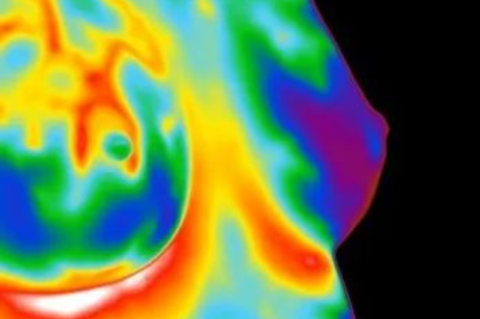
The good news? There are other screening options growing in popularity such as thermography, which measures subtle heat and inflammation changes, and ultrasound, which visualizes tissue structure without radiation. Each has unique strengths, and can provide a more complete picture of breast health.
These alternate screening options in addition to the preventative focus of TCM, can serve to help women prevent or treat imbalances before serious disease takes hold. Plus, the TCM model isn’t based on waiting for symptoms to arise before addressing them; it’s about maintaining a state of harmony where stagnation, inflammation, and deficiency never have the chance to overcome the system.
The TCM View of Breast Health
In Traditional Chinese Medicine, the breasts are seen as extensions of the Liver, Spleen/Stomach, and Kidney systems—energetic networks that regulate circulation, digestion, hormones, and emotional health. When these systems fall out of balance, early warning signs often appear in the breasts.
- Liver Qi Stagnation – Stress, emotional repression, and overwork block the smooth flow of Qi. This leads to tenderness, swelling before menstruation, or cysts. Fibrocystic breasts are common here and represent stagnation that needs attention—not something to “live with.”
- Spleen Dampness – Weak digestion and overconsumption of sugar or dairy can create dampness, leading to heaviness, nodules, or puffiness in breast tissue. This dampness prevents smooth fluid physiology in the breasts
- Kidney Deficiency – The Kidneys govern vitality and hormonal balance. Deficiency may cause the breasts to feel depleted or undernourished, especially after childbirth, during perimenopause, or following major illness.
- Liver Blood Deficiency – When Liver Blood is weak, tissues lack nourishment. The result can be dryness, fatigue, or undernourished breast tissue.
These patterns are not diseases—they’re signals. By addressing them early, we strengthen the body’s resilience and reduce the conditions that allow disease to form.
Preventative Lifestyle Practices
Small daily choices have an enormous impact on long-term breast health. Prevention isn’t about restriction; it’s about rhythm, nourishment, and flow.
- Eat to Move and Nourish
Choose foods that move Qi and clear dampness—think leafy greens, cruciferous vegetables, ginger, turmeric, radish, and lightly cooked meals. Limit refined sugar, dairy, and processed foods, which tend to create stagnation and phlegm. - Move Your Qi
Exercise doesn’t have to be extreme; what matters is consistent movement that opens the chest and ribcage. Yoga twists, qigong, brisk walks, and gentle stretching all support circulation and lymphatic drainage.
A simple breast massage routine is another powerful tool. With clean hands, use circular motions massaging from the center of the chest outward toward the armpits. This promotes lymph flow, releases tension, and helps you stay attuned to your breast anatomy and knowing what’s normal for your breasts.
- Manage Stress
If there’s one thing modern women can’t afford to ignore, it’s stress. Chronic tension is the number-one disruptor of Liver Qi, setting the stage for stagnation and hormonal imbalance. Acupuncture, mindfulness, deep breathing, and scheduling true downtime (not distraction) are not luxuries—they’re medicine. When stress softens, Qi flows. And when Qi flows, the body heals. - Reduce Toxic Load
Modern life exposes us to a wide range of environmental chemicals that can disrupt hormones and burden the Liver—the organ responsible for detoxifying the body and keeping Qi moving smoothly. Many of these substances act as xenoestrogens, or “foreign estrogens,” that mimic hormonal activity and contribute to estrogen dominance, stagnation, and cellular imbalance.
Here are a few ways to reduce your toxic load:
- Avoid heating or storing food in plastic containers, which can leach hormone-disrupting chemicals like BPA and phthalates. Opt for glass or stainless steel instead.
- Choose clean body and household products – look for brands free of parabens, synthetic fragrances, and harsh detergents.
- Be mindful of pesticides and chemicals in foods and cleaning supplies; wash produce thoroughly and choose organic when possible.
- Filter your water to reduce exposure to heavy metals, chlorine, and other contaminants.
- Support your Liver daily with cruciferous vegetables, lemon water, and bitter greens that help the body naturally process and eliminate toxins.
In TCM, the Liver governs both detoxification and emotional flow. By minimizing external toxins, we reduce the burden on this vital system—allowing Qi, Blood, and hormones to remain balanced and vibrant.
Acupuncture & Herbs for Ongoing Care
Regular acupuncture sessions help regulate hormones, ease PMS or perimenopausal symptoms, improve circulation in the breasts and relieve tenderness, swelling or obstructions. They also calm the nervous system, reduce inflammation, and support detoxification—key components in cancer prevention.
Herbal medicine deepens this work. Customized formulas might focus on moving stagnation, strengthening digestion, nourishing Blood, or replenishing Kidney essence. These therapies support the body’s innate intelligence and restore balance from within.
Final Thoughts
Breast health isn’t about living in fear of what might go wrong—it’s about cultivating awareness, balance, and connection with your body so you can feel empowered in your own care.
Traditional Chinese Medicine broadens the conversation beyond detection to true prevention, inviting women to nurture their health through mindful choices, emotional balance, and the smooth flow of Qi. When we live in harmony, we create the internal conditions that support resilience and vitality.
And yet, it’s equally important to remember: even with a healthy lifestyle, a cancer diagnosis can still happen. This is not a sign of failure or “not doing enough.” Our bodies are complex, and sometimes there are factors—genetic, environmental, or simply mysterious—that we can’t fully control or predict.
What we can do is approach our health with compassion and curiosity rather than fear or blame. Whether you’re focused on prevention, in the midst of treatment, or rebuilding after recovery, there are always ways to restore balance and strengthen your body’s innate healing capacity.
👉 Ready to take charge of your breast health? Get a personalized diagnostic and treatment plan with one of our experienced practitioners. Click here to book an appointment.